Fence tasks are among those "it looks easy from the street" tasks. A few articles, some rails, a great top, done. Then the initial difficulty hits: the council requests for details, the neighbour challenges the line, the home has an easement, or your fencing contractor explains that your suggested height or design causes a permit.
If you have ever before stood in your yard with a tape measure, trying to identify whether you can just change what is currently there, you are not the only one. Fence authorizations can feel mystical until you comprehend what typically causes them, what councils generally search for, and how to stay clear of rework.
Below is the useful reality, composed for property owners that want fences that get authorized, built right, and do not develop drama with neighbors or the surveyors later on on.
Why fence permits exist (and why councils look carefully)
Fences Additional info do greater than mark borders. They impact sightlines, drainage, personal privacy, safety, and streetscape character. In lots of places, councils deal with fencings as part of the "constructed kind" on a home, specifically when they are near the front limit, noticeable from the road, or tall enough to change just how the area functions.
Even when you are not altering the impact, changing an old fencing can still require authorization if:
- the fence's elevation increases the product or layout modifications significantly the fencing is in a location with overlays or special preparation rules the fencing is near a road get, edge, or intersection there is an easement, drainage line, or service hallway on the land
In Melbourne and across Victoria, the authorization guidelines can differ by council and by the certain preparation plan guidelines that relate to your great deal. Your fence contractor could understand the usual patterns for your location, but the best action is still to validate the demand for your precise residential property, not just "what individuals typically do."
The 2 inquiries that choose many fence permit outcomes
When I'm talking with fencing contractors or fence installers, nearly every permit situation comes down to 2 questions:
1) What is the fencing's height and location?
Elevation thresholds issue, and place matters just as much. A fencing that is fine along a side boundary may set off a different end result along a front limit or near a street corner. Councils often care about presence and how fences impact pedestrians and drivers.2) Is anything concerning the website special?
Easements, water drainage, heritage overlays, shoreline and bushfire factors to consider, and community restrictions can all alter what is enabled. A typical border fence is something, however a fence that crosses or disrupts an easement or a water drainage demand is another.If you can address those two questions plainly, you are already the majority of the way to understanding whether you require a permit.
Where conflicts start: boundary lines, not paperwork
Permits are only half the tale. The various other half is that fencing sits on a border, and boundaries are often messier than they search plans.
I have actually seen lots of "license authorized" circumstances still turn into troubles due to the fact that the fence line ended up somewhat off. Sometimes it is a little change, like matching an existing lumber fence that was never built specifically to the registered border. In some cases it is a misunderstanding about where the crossover ends, where the driveway easement runs, or just how a study strategy specifies the lot.
Before you chase after authorizations or order materials, it pays to verify:
- the signed up limit line (not simply the old fencing line) any crossovers, easements, or energy services the area of grounds about services and drainage
This is where an excellent fence company gains depend on. A professional Fence company Melbourne or Fence company that operates in your neighborhood council location ought to treat placement and services clearance as a typical component of preparation, not an afterthought.
When you likely need an authorization (usual triggers)
I can't give you a covering "yes" or "no" for each property, due to the fact that fencing demands are driven by regional guidelines and website restraints. Yet there prevail triggers that routinely bring home owners right into license territory.
Height and front limit visibility
Front fencings and fencings near intersections frequently get scrutiny. Also if you are keeping the very same height as an existing fencing, replacing it with a various design can alter exactly how it is analyzed. Some councils likewise take into consideration exactly how solid the fencing is, not simply its total height.
Changes from "like for like"
If your strategy is "replace like for like," you may still require to validate approval, specifically if the old fence is non-compliant. Councils do not always treat substitute as automated authorization. They may require the replacement to meet present guidelines, and those guidelines can differ.
Easements and drainage
If there is an easement, your fence could still be permitted, yet the council (or the easement authority) may require problems, problems, or specific ground methods. Sometimes, a fence can be developed, yet only in a way that does not obstruct accessibility for upkeep or interfere with stormwater systems.
Overlays, heritage locations, and special zones
Some buildings have overlays that change what can be constructed. A fencing contractor may have experience with the basic expectations, yet you ought to not think that a permit is optional.
Corner whole lots and sightlines
Corner residential properties can involve exposure demands. The concern is not only elevation, but the mix of elevation and location around the corner. This is just one of those areas where "sensible" from a home owner perspective can still be non-compliant from a roadway security perspective.
When you might not need an authorization (and still require to examine)
It is likewise possible that your fencing task falls within a classification that does not call for a license, particularly if it satisfies the regional requirements and there are no unique site constraints.
However, the component many people miss out on is that "no license required" does not imply "no guidelines." Councils can still enforce height, troubles, and products compliance also when a formal authorization is not needed. Neighbor conflicts can additionally trigger examination also if the initial strategy didn't entail an application.
If you are unsure, ask your fence installer Melbourne or your neighborhood Fence contractor straight what they require from you. A credible Fence contractor will typically say something like, "We can check the most likely demands, however you ought to validate with council for your great deal."
That additional sentence issues. It keeps expectations realistic.
The actual process: just how applications and authorizations commonly work
Even though each council and each website is various, the flow is typically similar. You start with a recommended layout, then you verify whether it requires formal authorization, then you send details that helps the council examine it.
Here is what the process seems like in reality, with less presuming and fewer surprises.
Step 1: Gather the standard details before you speak to anyone
If you walk into a secure fencing quote with only "I want a new fencing," you will certainly spend money later on dealing with information. The far better step is to be prepared with:
- fence line place (approximate is okay, but include your ideal quote) proposed height and design (photos help) where the fencing is going (front, side, back, around an edge) what exists today (if there is an existing fencing, determine it) whether there are gates, driveways, or accessibility points
A quick measurement session conserves a great deal of back and forth. Procedure from ground to the top of the surround a couple of spots, because grass and inclines are seldom flat.
Step 2: Examine whether you need an authorization, not simply whether you need approval
Some property owners use "authorization" as a catch-all term, yet the fact is that councils can utilize different systems, and authorities can additionally be entailed if easements or overlays apply.

What you want from this action is a clear response to: do you need to lodge an application, and if so, what info is required?
If you are working with fencing contractors, they might assist you prepare drawings or specify building and construction details. Still, council needs are eventually council requirements.
Step 3: Prepare for time and conditions
Even when the design is simple, permit approvals can take some time. You may additionally be requested conditions such as:
- changes to fence elevation or transparency boundary trouble adjustments specific ground methods around drain or services compliance with products and aesthetic effect rules
The ideal technique is to deal with permit outcomes as part of the style, not a final barrier. Build a tiny buffer into your timeline.
Step 4: Validate neighbors and get alignment right
A license does not replace great neighbor communication. If your fencing influences personal privacy, light, or boundary accessibility, you desire your neighbors aboard early.
If there are arguments about the border line, you may need a property surveyor involved. Study costs can feel unpleasant, yet it is typically more affordable than rebuilding a fencing after the fact.
This is a location where I've seen Fence installer Melbourne teams conserve home owners from serious frustrations by insisting on proper alignment up front.
What councils commonly want to see in a fence authorization application
Each council's submission needs can differ, yet there are patterns.
Most evaluations require sufficient information to assess the fence against the pertinent planning guidelines. That typically implies an illustration or strategy, plus measurements, plus a clear depiction of where the fencing sits.
Common items include:
- a website strategy showing the fencing line relative to borders and the roadway (if applicable) fence elevation information, consisting of height at essential points a description of materials, color, and whether the fencing is strong or more open details regarding gates and any gain access to points information relevant to overlays, heritage, or various other constraints if your lot has them
If your fence company Melbourne is experienced, they can generally tell you what degree of information councils commonly expect. They can not assure the decision, yet they can stop you from submitting something that obtains delayed for preventable reasons.
Practical design selections that affect license outcomes
You can typically maintain the "intent" of your fencing while readjusting the facets that councils concentrate on. The technique is recognizing what is flexible.
For instance, if elevation is the concern, you may lower the fencing height while keeping privacy with a different method. If exposure is the issue near the road, you could change from solid panels to an extra open design in the impacted segment.
If the fencing is along a drain line, the building method may become the key. A council could accept the fence if it is built so it does not jeopardize water drainage or upkeep access.
Design is not just aesthetic appeals. It is compliance.
Concrete examples from actual scenarios
Example 1: Replacing a timber surround a side border area
A home owner I collaborated with needed to change an old hardwood fence along the side border. The existing fencing was tall, yet it was also damaged in areas, so the strategy was uncomplicated: replace posts and rails, maintain similar elevation, enhance the look.
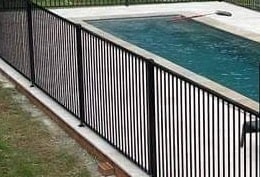
The catch was the specific determined elevation at the acme. Their "concerning the same" price quote became a little greater than the allowed range for that location. The fix was not significant. The fence installer adjusted the leading rail elevation and ensured the fence sat constantly with the acceptable dimension method.
No permit drama after that, however it needed dimension technique and a small layout adjustment.
Example 2: Front fence near the street and a corner sightline
Another case included a fence near the front and around the corner of a lot. The house owner desired a tall, solid fencing for personal privacy. On paper, it looked penalty, but the council analysis concentrated on how the fence affected sightlines at the corner.
They kept the majority of the design, however lowered elevation in the edge section and adjusted the openness there. The outcome was still exclusive in the back yard, and the front edge adhered to presence expectations.
This is where a fencing contractor's neighborhood understanding assists, but the final decision is still the council's.
Example 3: Easement concerns around drainage
A customer had a drainage easement running near where the new fencing grounds were prepared. Their initial strategy presumed typical post spacing and basic ground depth, because "there's currently a fence there."
Once the easement area was confirmed, the ground method required modification. The fence company utilized a strategy that appreciated access and stayed clear of interference with drain maintenance. The homeowner still got the fence, however the building and construction information changed, and they required a strategy from day one.
This is additionally where you ought to watch out for any individual who says, "It won't be a problem, we constantly do it in this manner." Easements are the one thing you can not ignore.
Costs and trade-offs: what permits adjustment financially
People typically ask, "Does a license imply added cost?" Sometimes of course, occasionally no, but it typically suggests even more certainty and more procedure time.
Extra prices can include:
- survey or boundary information if positioning is disputed drafting or illustrations if council needs even more detail time delays that affect scheduling design adjustments that cost the same as the initial plan, but take additional planning
That claimed, preventing licenses when they are called for can set you back far more later on. If an assessor or neighbor problem causes enforcement, you might end up paying once again for modifications.
An excellent Fence contractor or Fence installer Melbourne will treat permits as component of accountable budgeting. The cheapest quote is not always the very best quote if it ignores compliance risk.
Choosing the appropriate fencing contractor for a permit-aware job
If you are hiring fencing contractors, try to find professionalism and reliability in how they take care of conformity, not simply how quickly they can quote.
A fence company that regularly resolves approvals will normally:
- ask for dimensions and website information early discuss most likely council needs for your area clarify just how they deal with boundaries and any type of easements provide clear documentation for the design (height, products, placements) coordinate setup so changes from authorization problems are straightforward
You ought to additionally really feel comfortable asking concerns, and obtaining straight answers. If you notice obscure pledges, that is your cue to push for clarity.
A short, functional list prior to you devote to a fence
If you do only one prep work session prior to putting an order, make it this. This checklist is created to prevent the most common rework triggers I see in the field.
- Confirm the fence line about boundaries, not just the existing fence location Measure recommended height at multiple factors, specifically on sloped or uneven ground Identify whether you have any known easements, water drainage lines, or services close-by Check whether your fencing area is front boundary, side border, rear limit, or around an edge Ask your Fence contractor or Fence company Melbourne whether an authorization is most likely for your lot and place
Understanding neighbor effect (even with an authorization)
Neighbour relationships commonly come down to just how a fence adjustments day-to-day life. A solid fence can impact:
- sunlight and views privacy, especially where home windows face the fence line airflow and sound perception access for maintenance if a fencing blocks affordable access routes
An authorization addresses council planning considerations, not neighbor convenience. For sensible peace, it assists to interact the strategy early, share a simple aesthetic of the style, and settle on the limit line.
In some conflicts, the documents is fine but the setup details are wrong. In others, the installment is fine but the fence layout is more solid or greater than anticipated. Preventing both is a mix of technological clarity and human communication.
Bushfire, safety, and "unique" fences
Some fencing tasks are constructed for reasons past privacy. Safety fences, pool fencing, and bushfire-related fence can include added guidelines and possibly extra approvals.
I am not suggesting you deal with every backyard fencing as a high-risk framework. I am saying that if your fencing becomes part of safety and security conformity or impacts a bushfire user interface area, you ought to deal with the permit inquiry as severe. A fence installer Melbourne may have experience, but your safest step is to verify what puts on your lot.
When fencings are connected to safety and security, there is usually less space for "close adequate" decisions.
How to prevent typical errors that delay approvals
The most annoying delays are rarely brought on by the large design principle. They are typically triggered by missing details, vague measurements, or assumptions that later end up being wrong.
Here are the mistakes I see usually, shared plainly.
First, property owners often offer a layout with height referred to as "around 1.8 metres" however they do not measure it regularly. A council or assessor may review based on certain dimension factors or the reliable elevation at pertinent locations. That can lead to a mismatch.
Second, some people neglect that fence elevation can differ throughout a sloped site. If you propose a constant leading line however the ground modifications, you can end up with areas that go beyond the permitted height.
Third, several hold-ups originate from boundary uncertainty. If you think the limit line based on an old fencing, you could submit a strategy that does not show the genuine line.
Fourth, easements get overlooked till the footing design is being settled. That is when you discover you need revisions, and alterations come to be delays.
If you work with fencing contractors early and provide site details, these issues generally appear theoretically, not on the day of installation.
What to ask your fencing contractor (so you obtain a clear answer)
A permit-aware professional should welcome inquiries. Your objective is to comprehend just how they will certainly manage conformity and exactly how they will keep your task moving.
Try asking about:
- how they measure fencing elevation and set out lines on unequal ground how they validate border alignment and deal with potential inconsistencies whether their quotes consist of license assistance if needed what they do if council conditions require layout modifications how they manage accessibility and building and construction around easements or solutions
A certain Fence contractor need to have the ability to explain their strategy without concealing behind jargon.
Final thoughts on licenses and timelines
Fence permits can be aggravating, yet they additionally safeguard you from the type of costly error that comes from building the incorrect point in the incorrect place. When you approach a fence like an actual task, with determined information, clear limits, and a conversation with the people who actually construct and document the job, the procedure ends up being manageable.
If your plan is in Melbourne or you are thinking about fencing contractors in Melbourne, the most effective move is to treat council demands as site-specific. A neighborhood Fence company Melbourne team that consistently sets up fences in your location can aid you understand what is regular, yet your license outcome will certainly still depend upon your lot and the guidelines that apply to it.
The great news is this: once you recognize what councils appreciate, you can design a fencing that fits your objectives and still gets through the approval path with marginal backtracking.